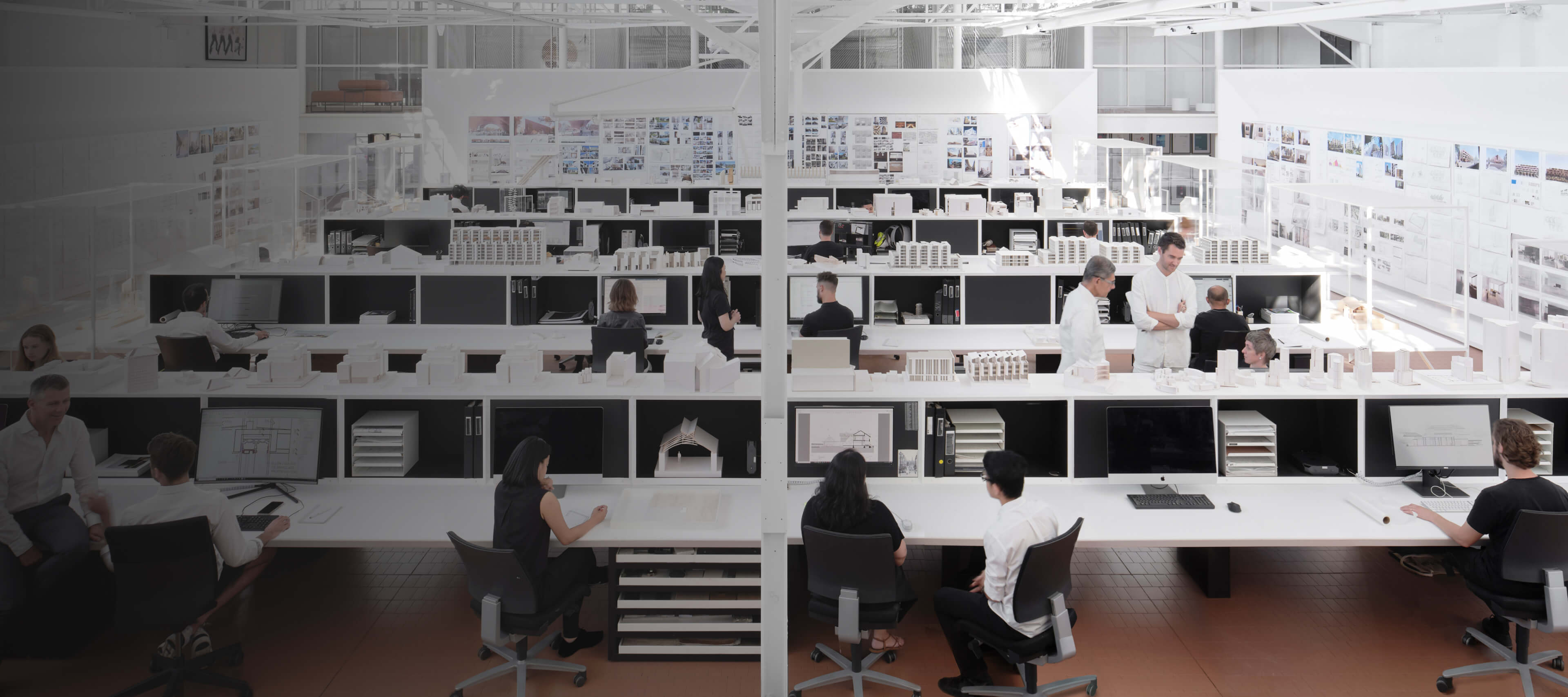
;Resize=(828,736) "Smart Design Studio offices")
The building and construction sector is responsible for almost 40 per cent of global carbon emissions, according to a 2021 report from the Clean Energy Finance Corporation. Decarbonising the design and construction process offers a clear-cut path to reducing emissions. But what can be done beyond adding solar panels and green walls to our homes and offices?
From embracing low-carbon building materials to tapping into real-time weather data, architects in Australia and New Zealand are finding innovative ways to minimise the environmental footprint of our built environment.
Natural selection
Forget any preconceived notions you had about straw bale buildings being ramshackle oddities favoured by fringe dwellers. Contemporary straw bale passive houses are modern marvels capable of dramatically reducing household energy bills.
Wanaka-based architecture, design and construction firm Hiberna are blazing a straw bale passive house trail in New Zealand.
“It’s an easy place to make big improvements. Currently, buildings are so poorly designed. We have the solutions for building right now, so why wouldn’t we?” says Jessica Eyers, environmental building consultant, architectural designer and director of Hiberna.
So, what is a passive house anyway?
“Passive houses are comfortable year-round and use virtually no energy to achieve that,” Jessica explains.
Design principles of a passive house, according to the Australian Passive House Association, include airtightness, thermal insulation, high-performance windows, thermal bridge-free design and ventilation systems that ensure air circulation with minimal heat loss. The Passive House Institute of New Zealand and the Australian Passive House Association will model, test and verify passive houses before certifying them.