One of the great joys of an electric vehicle (EV) is that it is fairly easy to maintain. The main reason? The drivetrain of an EV has around 20 moving parts only. This means there’s no need for things like motor oil, spark plugs and engine air filters – all of which require a certain level of upkeep.
Of course, even though your EV has fewer components that may need replacing, it still requires maintenance every 12 months. This is to ensure everything in your EV is running smoothly and safely.
In addition to a yearly service, there are a few things you can do to make sure your EV leads a long and happy life.
EV battery health
Arguably the most important component of an EV is its battery pack, which powers the car’s electric motor.
The kinds of batteries used in EVs can vary. Although research is being done into new battery tech like solid-state batteries, by and large the most popular option is lithium-ion batteries.
While it’s estimated the battery pack can last for several years, there are particular things you can do to ensure the battery is operating at an optimum level. So, how do you extend EV battery life? Read on!
Avoid overcharging
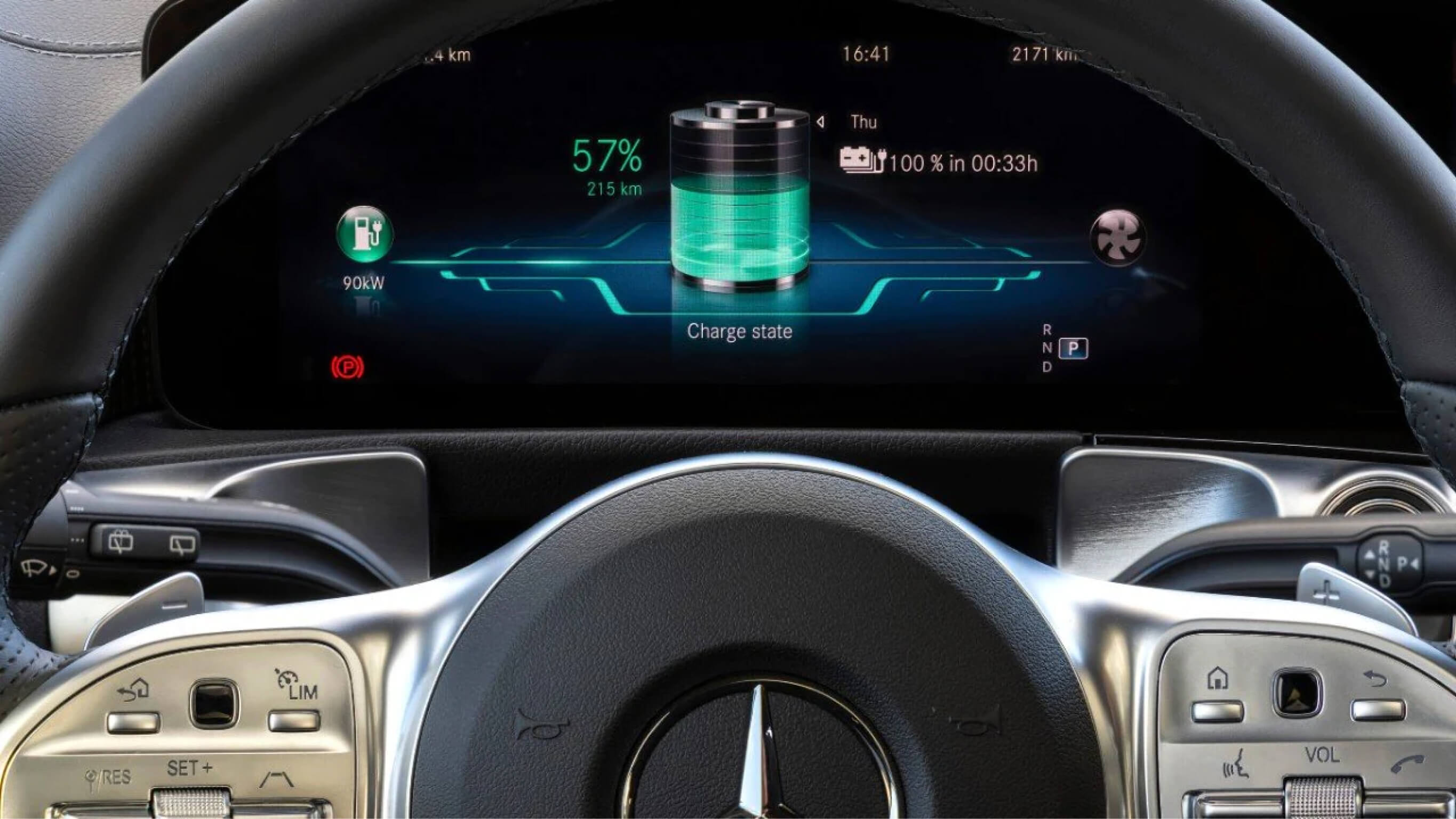
There’s a certain sense of satisfaction from seeing an EV battery pack charged to 100 per cent capacity – and logically, it seems like the right thing to do. But generally speaking, a battery will last longer and perform better if it’s charged to somewhere between 30 per cent and 80 per cent capacity.
There’s a reason why the batteries in mobile phones don’t always last as long as you’d think, and it’s because people are in the habit of fully charging and discharging them on a regular basis. So try to avoid doing this to your EV battery pack if you can. If you do need to charge your EV to 100 per cent for a car journey, we recommend doing it right before you make the trip.
;Resize=(828,828) "Dashboard display")
A guide to electric vehicle maintenance.
Though they don’t require much upkeep, there are a few things you can do to ensure your EV has a long life and stays in prime health.
15 May 2023
Use ultra-rapid chargers sparingly
Getting an EV battery pack charged up as fast as humanly possible might seem like a great idea, but it’s best not to do this on a regular basis. DC ultra-rapid fast chargers are fantastic when you have limited time to charge and need to get juiced up in a hurry, but in the long run, standard AC chargers are much better for your battery’s performance and longevity.
Be mindful of extreme temperatures
Exposing a vehicle to extreme hot or cold temperatures over a prolonged period of time is never a great idea, but if you’re dealing with an EV, those extremities can shorten the battery pack’s lifespan.
Although EVs have a thermal management system to help with fluctuations in temperature, it’s best not to work the system too hard. Instead, try parking the EV undercover or in the shade when the sun is blaring; conversely, try and leave the car somewhere with a stable controlled climate when it’s icy outside.