;Resize=(828,828) "EVBattery1")
Electric vehicles might seem like far-off, futuristic and fantastical vehicles that will one day be driven by our robot minions while we luxuriate in sci-fi like cabins. But really, they’re not that dissimilar to mobile phones.
It wasn’t all that long ago, that a device as ubiquitous and future-fabulous as Apple’s iPhone seemed unimaginable.
Today, of course, they are everywhere, and you’ve probably noticed that you really don’t have to worry as much as you used to about running out of charge. Early smartphone batteries left you with charge anxiety – would you get through the day, or even the next phone call before you got to a charger?
Electric vehicles will very soon become abundant, with several European countries making pledges to ban the sale of petrol- and diesel-powered cars over the next 10 to 15 years. Batteries are a vital part of what will make electric cars an increasingly central part of our lives, and companies such as Mercedes-Benz are throwing considerable engineering and financial heft behind research to improve their technology.
The different types of electric vehicles
As anyone with a smartphone-owning parent or grandparent can attest, new technology can be intimidating to some folk, even if it’s inherently simple.
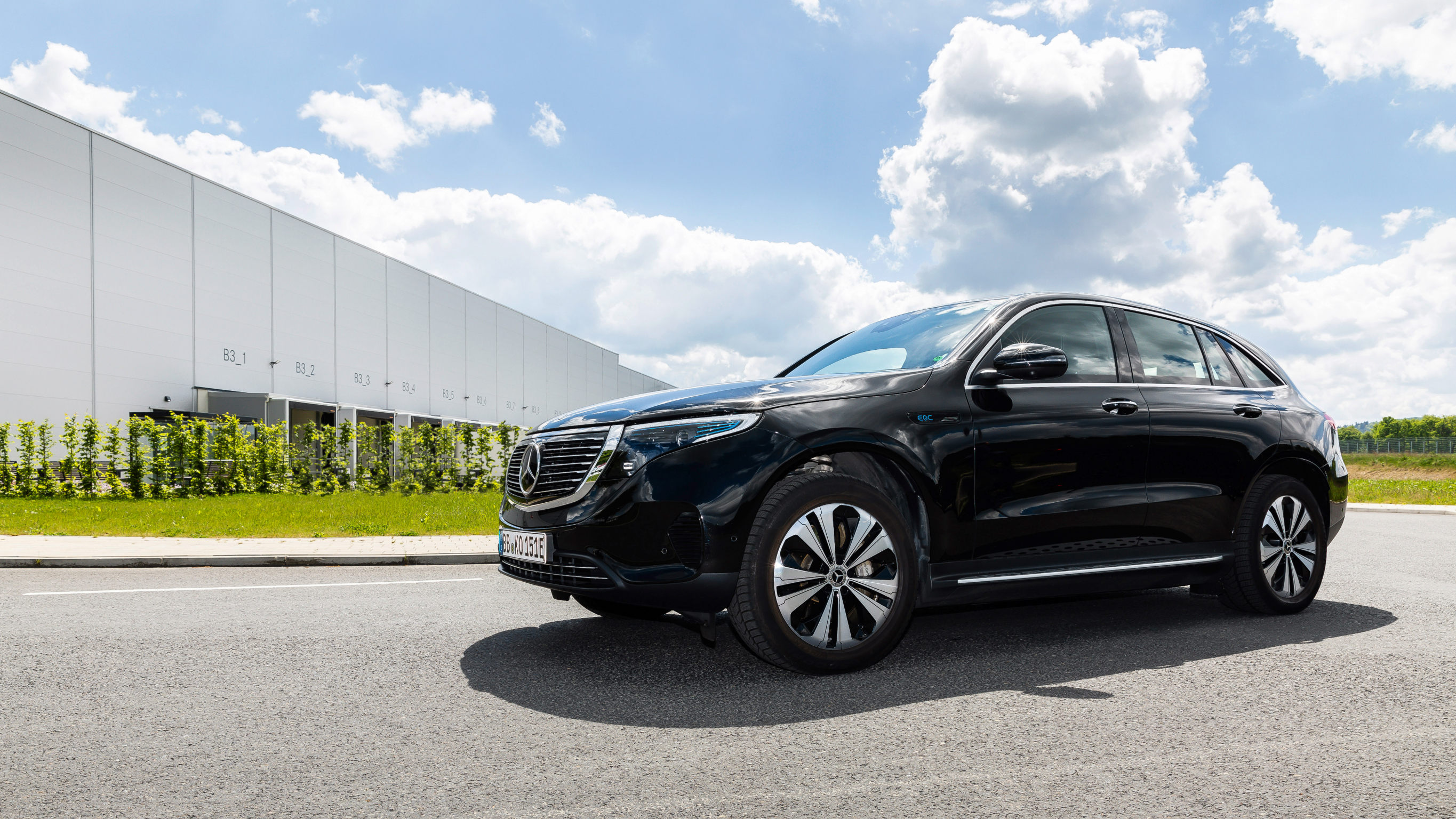
The first thing to get your head around is that we have two types of electric vehicles in Australia. There are battery electric vehicles (EVs, or BEVs) such as the innovative Mercedes-Benz EQC, which is fully electric; and plug-in hybrid electric vehicles (PHEVs) like the Mercedes-Benz E 300 e, which is powered by both an electric motor and an internal-combustion engine.
Both models use the same type of rechargeable lithium-ion battery, which is popular because of its high energy density compared to weight. Less weight means greater potential range, so the lighter the battery is, the better.